Startup Funding Stages Explained: From Pre-Seed to Series A in Simple Terms

Startup funding progresses through distinct stages, each corresponding to a company’s maturity, milestones achieved, and capital requirements. Understanding these phases—from pre-seed to Series A—enables founders to prepare effectively, set realistic expectations, and approach the right investors at the appropriate time. This article provides a clear, structured overview of the primary early-stage funding rounds, highlighting their typical purposes, amounts, key expectations, and differences. By mastering these concepts, entrepreneurs can navigate the investment landscape with greater precision and confidence.
Pre-Seed: Building the Foundation
Pre-seed represents the earliest formal funding stage, occurring before a startup has a fully developed product or significant traction. At this point, founders typically focus on validating the core idea, assembling a capable team, and creating an initial prototype or minimum viable concept. Capital is used primarily for market research, team formation, and early product development rather than scaling operations.
Investment amounts in pre-seed rounds generally range from €50,000 to €500,000, often sourced from friends, family, accelerators, angel investors, or specialized pre-seed funds. Valuations remain modest—frequently below €3–5 million—reflecting the high uncertainty and limited proof of concept. Investors at this stage prioritize the founding team’s experience, founder-market fit, and the clarity of the problem-solution hypothesis over detailed financial metrics.
The primary objective is to reach a stage where the startup can demonstrate initial user interest or early product functionality, thereby qualifying for subsequent seed funding. Founders should treat pre-seed capital as runway to reduce key risks and build credible evidence of potential.
Seed: Proving Product-Market Fit
Seed funding marks the transition to building and validating a market-ready product. Startups at this stage usually possess a working prototype or beta version, early user engagement, and initial evidence that customers are willing to pay or exhibit strong retention. The capital supports product refinement, customer acquisition, team expansion, and the establishment of basic go-to-market processes.
Typical seed rounds raise between €500,000 and €3 million, with pre-money valuations commonly ranging from €3 million to €12–15 million, depending on traction and market opportunity. Sources include early-stage venture funds, angel syndicates, and increasingly specialized seed investors. Preferred equity structures often appear at this point, introducing investor protections such as liquidation preferences and board observer rights.
Investors seek observable traction signals—paying customers, growing revenue, repeatable usage metrics, and a realistic customer acquisition path. The focus shifts toward demonstrating that the business model can generate sustainable growth. Successful seed rounds position startups to scale operations, expand the team, and prepare for more substantial capital requirements in later rounds.

Series A: Scaling with Evidence of Traction
Series A funding supports companies that have achieved product-market fit and are ready to scale customer acquisition, expand geographically, and optimize unit economics. At this stage, startups typically demonstrate consistent revenue growth, predictable metrics (such as customer acquisition cost and lifetime value), a defined go-to-market strategy, and a clear path toward profitability or significantly larger scale.
Amounts raised in Series A rounds generally fall between €3 million and €15 million, with pre-money valuations often ranging from €10 million to €40 million or higher in competitive sectors. Lead investors are usually institutional venture capital firms that take board seats and exert greater influence over strategic decisions. The round structure frequently includes more complex terms, such as participation rights, anti-dilution provisions, and detailed governance mechanisms.
The central goal of Series A is to build a scalable organization capable of capturing substantial market share. Investors expect a proven business model, repeatable sales processes, and evidence that additional capital will drive accelerated, efficient growth rather than merely extending runway.
Key Differences Across Stages and Strategic Considerations
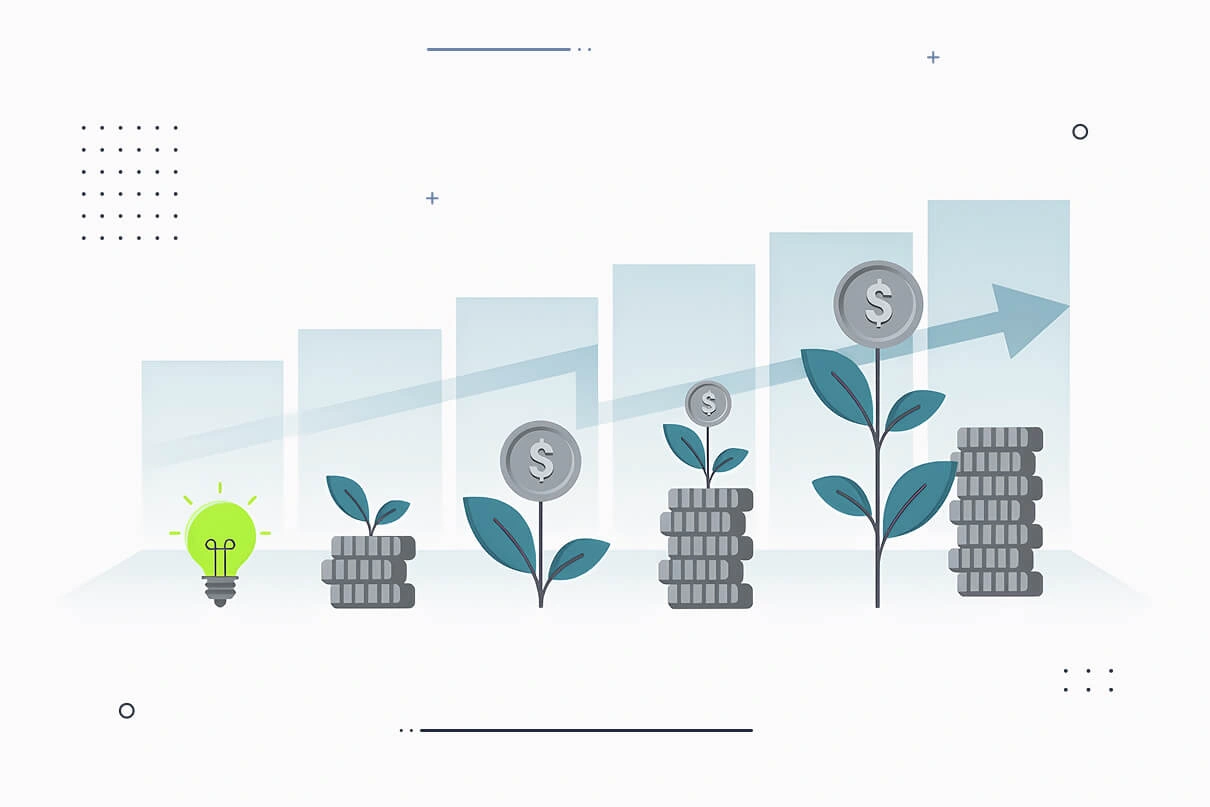
Each funding stage serves a distinct purpose and carries progressively higher expectations:
- Pre-seed focuses on idea validation and team formation with minimal metrics required.
- Seed emphasizes product development and early traction, requiring evidence of market demand.
- Series A demands validated product-market fit and scalable economics, with emphasis on execution and growth efficiency.
Founders should align their milestones with stage-appropriate criteria to avoid approaching investors prematurely or missing optimal timing. Preparing accurate financial models, transparent cap tables, and compelling traction narratives becomes increasingly important as rounds advance.
For additional perspectives on early-stage funding dynamics, particularly in the European context where bridging regional ecosystems can influence strategy and valuation, further resources and insights are available in the blog of N1 Investment Company.